
The timing of China’s travel advisories warning citizens about visiting Japan reveals the coordinated nature of Beijing’s economic pressure campaign, with the first advisory issued on November 14 immediately following Prime Minister Sanae Takaichi’s statement that Chinese military action against Taiwan could constitute a “survival-threatening situation” for Japan. The second advisory followed shortly thereafter as Takaichi declined to retract her remarks, demonstrating the direct linkage between diplomatic positions and economic consequences.
This pattern of immediate response to specific political statements indicates that the advisories serve primarily as diplomatic tools rather than genuine safety warnings. The Chinese embassy’s claims about “unprovoked insults and beatings” targeting Chinese nationals and references to data showing increased violent crimes in Japan have not been independently verified by international observers, suggesting these justifications may be pretexts for economically motivated actions designed to pressure Japan to modify its Taiwan position.
The strategic use of tourism as an economic weapon mirrors tactics China employed during the 2012 territorial dispute over uninhabited islands, when similar advisories contributed to a 25% reduction in Chinese tourist numbers and significant economic damage to Japan. During that crisis, the coordination between official warnings and popular sentiment was evident as Chinese protesters attacked Japanese businesses and group tours were systematically cancelled, creating a comprehensive informal boycott that extended beyond official government actions.
The economic leverage China wields through tourism control is substantial. With over 8 million Chinese visitors in the first ten months of this year representing 23% of all arrivals to Japan, economist Takahide Kiuchi projects that the advisories could cost approximately $11.5 billion and reduce annual economic growth by 0.3 percentage points. Small businesses throughout Japan are already experiencing immediate impacts, with traditional cultural experiences seeing mass cancellations extending months into the future.
The coordinated nature of China’s response extends beyond tourism to include postponed film releases, cancelled entertainment events, and implicit threats regarding strategically important trade relationships including rare earth exports. Professor Liu Jiangyong of Tsinghua University indicates that countermeasures will be rolled out “one by one” rather than announced all at once, suggesting a calculated campaign designed to apply increasing pressure over time. This systematic approach reflects Beijing’s view that Takaichi’s willingness to discuss military scenarios regarding Taiwan represents a serious challenge to Chinese interests that requires comprehensive economic response to modify Japanese diplomatic behavior.
Travel Advisory Timing Reveals Coordinated Nature of Chinese Economic Pressure
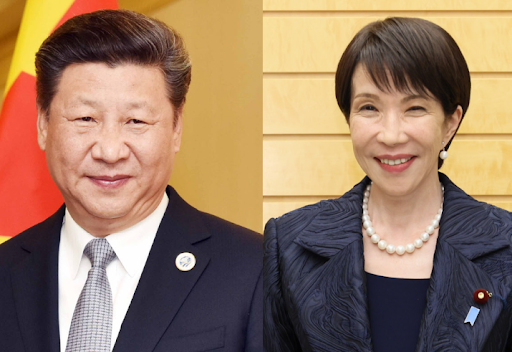
Picture credit: www.commons.wikimedia.org
26