
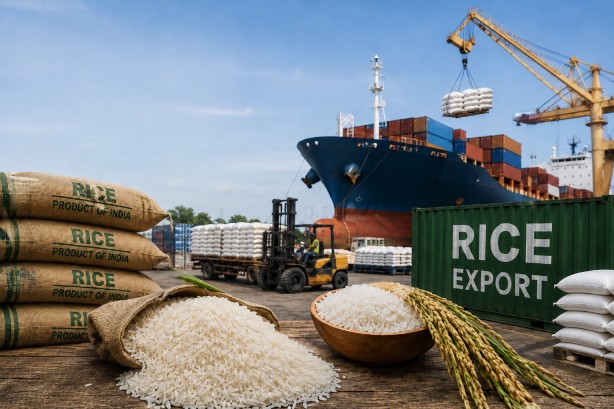
Vietnam is poised for an upswing in rice export value towards the end of 2026, as global prices show signs of recovery and demand intensifies in several key international markets. By mid-August, the country had exported an estimated 5.7 million tonnes of rice, with projections suggesting full-year shipments could reach 7.7 million tonnes. While export earnings are anticipated to hover around US$3.9 billion, this represents a roughly 4% decrease from the previous year, attributed mainly to subdued average prices earlier in the year. However, a price recovery that began in July, with a 5.8% increase year-on-year, offers hope that Vietnam could bolster its export earnings in the coming months.
The global market dynamics are also expected to favor Vietnam’s rice exports. A forecasted supply-demand deficit in the 2026-27 crop year and potentially record-breaking global trade levels could open up opportunities. Concerns surrounding a strong El Niño may further prompt countries to boost their food reserves. The Philippines, Vietnam’s largest rice export market, intends to continue rice imports to enhance its reserves, with imports projected to reach 5.6 million tonnes during the 2026-27 crop year. China’s rising demand for rice, particularly broken rice used as animal feed, presents additional prospects for Vietnamese exporters.
Beyond these major markets, Vietnam’s rice industry could see growth in other regions. Nigeria is anticipated to encounter a significant rice supply gap, while Kenya has temporarily lifted import duties on white rice under a quota system. Vietnamese exporters are also tapping into premium markets, where high-quality, low-emission certified rice has reportedly fetched prices exceeding US$1,000 per tonne in countries like Japan, the European Union, and Australia.
Despite the promising outlook, challenges persist for Vietnam’s rice industry. The Philippines is contemplating higher safeguard duties on rice imports from Vietnam and other suppliers, potentially elevating tariffs beyond 35% and impacting Vietnamese exports to its primary market. Indonesia’s strong domestic production and reserves mean it is unlikely to import rice this year. Meanwhile, Vietnamese rice faces stiff price competition from India and Pakistan in several African markets, while Thailand and Cambodia are expanding their presence in China and the fragrant rice market, respectively.
Additional pressures come from rising costs for fertilizers, transportation, and energy, which weigh heavily on farmers and exporters. The looming threat of El Niño, which could lead to drought and saltwater intrusion between late 2026 and early 2027, poses risks to the upcoming winter-spring rice crop. Nonetheless, the combination of recovering prices, increased demand, and a burgeoning interest in premium rice varieties could enhance Vietnam’s export earnings as the year draws to a close, though tariffs, competitive pressures, and weather-related risks remain critical concerns.