
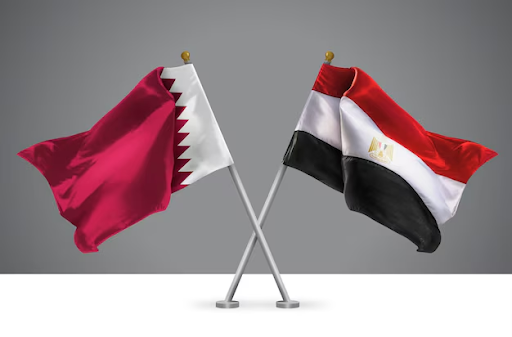
The duration of transitional arrangements including international force presence and Board of Peace governance remains critically unresolved. Qatari Premier Sheikh Mohammed bin Abdulrahman Al Thani’s characterization of the next phase as “temporary” raises questions about timeline expectations and transition to permanent arrangements.
Open-ended commitments create problems for contributing nations uncertain about duration and exit conditions for their forces. Soldiers deployed for peacekeeping expect eventually to return home, but Gaza’s history suggests stabilization could require many years. Without clarity about timelines, securing force contributions becomes more difficult.
However, imposing arbitrary deadlines risks creating cliff effects where security forces withdraw before sustainable political arrangements are established. Previous peace processes have failed partly because transitional periods ended before achieving their objectives, returning parties to conflict. Balancing definite commitments against realistic timelines requires careful calibration.
The transitional duration question connects to fundamental issues about permanent status arrangements. How long does transition last? What conditions trigger movement to permanent arrangements? What happens if those conditions are never met? These questions lack clear answers in current frameworks.
Palestinian concerns about indefinite transitional arrangements reflect historical experience with “temporary” Israeli presences becoming permanent. International forces deployed for limited periods sometimes remain decades. Without clear exit strategies and permanent status negotiations, transitional arrangements risk becoming frozen conflicts that satisfy no one while preventing resolution.
Transitional Period Duration Emerges as Critical Unresolved Question
Picture credit: www.freepik.com
28