
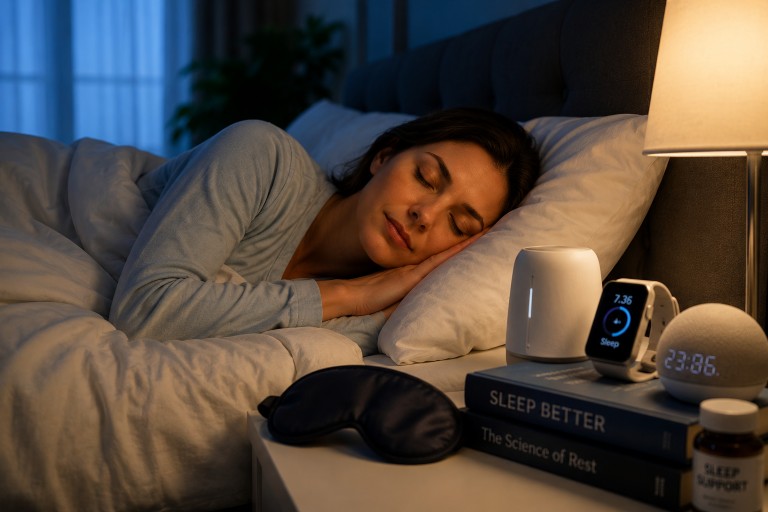
The quest for improved sleep has sparked a thriving market for sleep-enhancing products, ranging from smartwatches and sleep-tracking apps to specialized mattresses and white-noise machines. While consumers are increasingly investing in these gadgets, experts emphasize that they cannot replace the foundational elements of healthy sleep. Factors such as stress, excessive screen time, irregular schedules, and untreated sleep disorders can continue to disrupt rest, regardless of how advanced the technology might be.
Although products like comfortable mattresses and supportive bedding can enhance the sleep environment, they come with their own limitations. Persistent stress, frequent anxiety, or underlying sleep disorders often need more intervention than what a gadget can provide. In fact, the rise of orthosomnia—an obsession with achieving perfect sleep by constantly monitoring sleep tracker data—illustrates how technology can sometimes exacerbate sleep issues, adding pressure rather than alleviating it.
The burgeoning sleep economy reflects a broader awareness of the importance of quality rest. Beyond traditional mattresses and pillows, the market now includes wearable trackers, sleep apps, smart beds, and wellness programs. Wellness-focused hotels and sleep retreats are gaining popularity, underscoring a shift towards treating sleep as a critical component of overall health rather than a mere necessity.
While sleep trackers can offer insights into sleeping patterns, they fall short in diagnosing or resolving underlying sleep issues. Factors like job-related stress, anxiety, late-night screen exposure, and caffeine can still disturb sleep. The online trend of “sleepmaxxing”—using products and routines to enhance sleep—has gained traction, though experts caution against turning sleep into a performance metric.
Ultimately, achieving healthy sleep is often more about maintaining consistent habits than purchasing the latest technology. Regular sleep schedules, physical activity, stress management, and limiting screen time before bed are crucial. Creating a quiet, dark, and comfortably temperate bedroom environment can also aid relaxation. For those experiencing persistent or severe sleep issues, consumer products should not be the sole solution; professional medical advice may be necessary for conditions like loud snoring, sleep interruptions, or excessive daytime fatigue.