
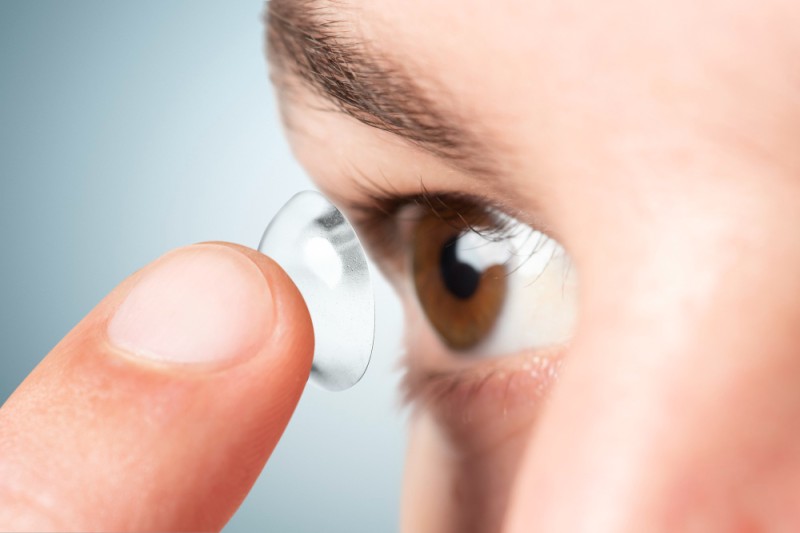
Contact lens wearers are urged to exercise caution when it comes to napping or sleeping with their lenses on, as experts in eye health highlight the significant risks of doing so. The cornea, which is the transparent front part of the eye, requires oxygen from the air to maintain its health. Contact lenses naturally restrict the amount of oxygen that reaches the cornea during the day, and wearing them while asleep further reduces this oxygen supply. This limitation can compromise the eye’s protective barrier, making it more susceptible to bacterial infections.
Among the most severe complications associated with sleeping in contact lenses is microbial keratitis, a bacterial infection of the cornea that can escalate into a painful corneal ulcer if not treated promptly. Such ulcers risk leaving permanent scars and can result in enduring vision impairment. Experts warn that even infrequent naps taken while wearing contact lenses can elevate the risk of developing these serious eye conditions.
To mitigate these risks, eye specialists emphasize the importance of proper lens care. Recommendations include removing contact lenses before sleeping or napping, adhering to good lens hygiene practices, and following the replacement schedule provided by an eye care professional. These steps are crucial in preventing complications that can arise from improper lens use.
It is essential for contact lens users to be vigilant about any symptoms that may indicate a problem. Signs such as eye redness, pain, sensitivity to light, blurred vision, or sudden changes in eyesight should prompt immediate medical attention. Timely treatment can prevent severe damage and help safeguard long-term vision.
While contact lenses are considered safe when used correctly, the habit of sleeping in them unnecessarily increases the risk of avoidable eye complications. By following recommended guidelines, contact lens users can continue to enjoy the benefits of their lenses while minimizing potential health risks.