
Gaza has seen many peace plans. It has seen negotiations, agreements, ceasefires, and frameworks — most of which have ultimately collapsed or produced outcomes far short of what was promised. As Donald Trump’s Board of Peace held its first meeting Thursday, the risk of joining that long list of broken promises was very much present.
The board has assembled more than two dozen founding member nations, claimed $5 billion in reconstruction pledges, and set out ambitions ranging from governing Gaza to challenging the UN Security Council. Trump has called it potentially the most consequential board ever assembled. The rhetoric is familiar — and so, to anyone who has followed the Israeli-Palestinian conflict, is the gap between rhetoric and results.
Hamas has not disarmed. The transitional governing committee is stuck in Egypt. International stabilization forces have not deployed. Key US allies have declined to participate. Palestinians were not invited. Reconstruction cannot begin until Hamas disarms, and Hamas has not agreed to disarm on Israel’s terms. The chain of unmet preconditions is long.
Expert observers have been direct about the stakes. The International Crisis Group’s Israel-Palestine Project Director said that if the board’s first meeting does not produce fast, tangible improvements on the ground — particularly on the humanitarian front — its credibility will quickly crumble. That warning applies not just to the board but to the broader peace framework it is designed to support.
The people of Gaza have endured two years of devastating war and are now living in conditions of profound humanitarian deprivation. Their patience for another round of grand promises without ground-level results is understandably limited. The board’s first meeting will be judged not by its ambition but by whether it marks the beginning of genuine, measurable change.
Trump’s Board of Peace and the Risk of Becoming Another Broken Promise to Gaza
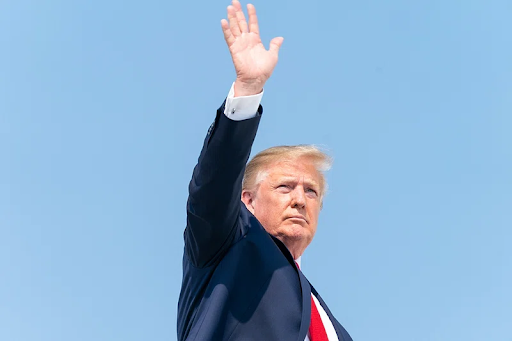
Picture Credit: www.rawpixel.com
49