
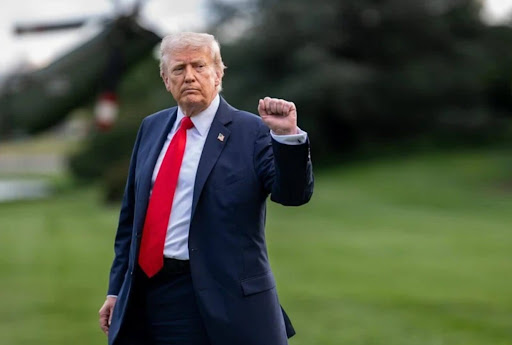
President Donald Trump surprised global observers Monday with a diplomatic announcement that the United States would freeze military strikes on Iranian energy infrastructure for five days, following what he called productive and constructive conversations with Iran. The news arrived after more than three weeks of warfare between the two countries, with no prior public indication that talks were underway. Trump said the discussions were aimed at achieving a full and lasting resolution of the conflict.
Trump’s announcement came through Truth Social, where he wrote that the two nations had spent the past two days in “in-depth, detailed, and constructive” discussions targeting a “complete and total resolution” of Middle East hostilities. He expressed optimism about the talks’ trajectory and confirmed they would continue through the week. The tone of the post stood in sharp contrast to earlier bellicose statements from the administration.
The President directed the Department of War to postpone all strikes against Iranian power plants and energy-related facilities for the five-day period. He tied the continuation of the pause to the success of ongoing negotiations. Should talks break down, the threat of resumed military action would remain firmly in place.
Iran’s embassy in Afghanistan publicly claimed that Trump had retreated following Iranian threats to attack regional energy infrastructure in retaliation for any US strikes on Iran’s energy sector. Tehran framed the pause as a consequence of its own firm posture rather than a mutual diplomatic decision. This narrative underscored the competing interpretations of the same event.
The world now watches to see whether the five-day truce can be transformed into something more durable. Diplomats, energy traders, and regional governments are all closely monitoring the situation. The stakes — for peace, stability, and global energy markets — could not be higher.