
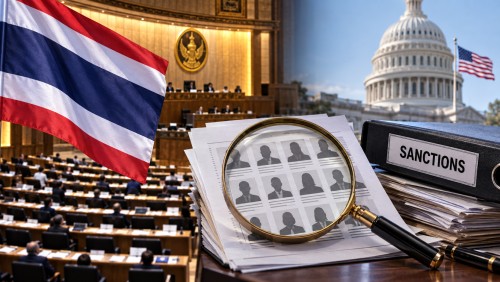
The call for a rapid investigation into alleged money laundering and scam-related activities in Thailand could have significant legal and diplomatic repercussions. This urgency comes after two chairs of U.S. House committees requested that American authorities delve into the actions of 28 individuals and entities, including the potential for imposing sanctions.
At the center of this unfolding situation is Vorapak Tanyawong, a former Thai deputy finance minister, who has publicly denied any involvement in the illicit activities, which include money laundering and human trafficking. Vorapak has expressed his willingness to cooperate with the investigations and has proactively sought to engage with the U.S. Treasury Department’s Office of Foreign Assets Control to present evidence and documentation to counter the allegations.
Thai Prime Minister and Interior Minister Anutin Charnvirakul has emphasized the importance of adhering to legal protocols, ensuring that those implicated are allowed to defend themselves adequately. Anutin also clarified that the accusations are not linked to his current administration, highlighting the need for a fair and transparent investigative process.
The request from the U.S. Congress urges the State and Treasury departments to carry out comprehensive investigations into the named parties and to consider sanctions if the findings meet legal criteria. It is important to note that this request does not automatically impose sanctions or confirm any wrongdoing, leaving room for due process.
In response to these developments, Thai lawmakers have pressed for expedited investigative measures to address the allegations, signaling the potential for both national and international legal actions. The outcome of these investigations could lead to significant diplomatic implications between Thailand and the United States, depending on the findings and any subsequent actions taken by U.S. authorities.