
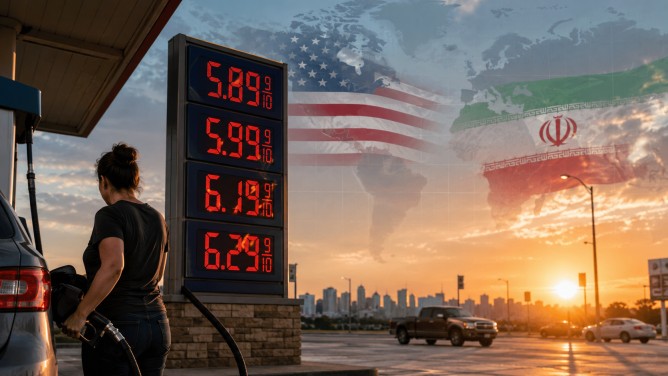
Gasoline prices across the United States have soared to unprecedented levels for August, a spike attributed to stalled diplomatic efforts between the U.S. and Iran, as well as escalating tensions around the strategic Strait of Hormuz. The national average for gasoline hit $4.06 per gallon, marking an increase of about 5 cents from the previous week and approximately $1 more than the same time last year. States like California and Hawaii are experiencing even steeper averages, with prices hovering around $5.50 per gallon.
The situation is compounded by the ongoing US-Israel conflict with Iran, which has kept oil prices elevated, especially following disruptions in the critical Strait of Hormuz, a key global oil shipping corridor. Brent crude oil prices had surged to $112 per barrel before a slight decrease, yet they remain significantly higher than in the previous year. Although gasoline prices saw a temporary dip when interim agreements eased U.S.-Iran tensions, the recent stall in negotiations has reignited fears of a drawn-out confrontation, pushing prices upward once more.
This latest price hike coincides with the collapse of talks aimed at addressing Iran’s nuclear program, which failed to reach a resolution within a designated 60-day timeframe. Complicating matters further, fresh threats from Trump against Oman have heightened concerns about potential further conflict escalation in the region.
The rising fuel costs are straining American households already grappling with high living expenses. Over the past six months, Americans have reportedly spent tens of billions of dollars more on gasoline than they would have prior to the conflict. If energy costs maintain their current trajectory, it could exert additional inflationary pressure, affecting the broader economy.